If you live near the coast, you already know your vehicle goes through more than the average car. Around Wilmington, we see it all the time: salt air settling on paint, humidity lingering on surfaces, pollen coating everything in spring, and sand finding its way into carpets, mats, and tight exterior crevices. That is exactly why mobile car detailing coastal North Carolina drivers need is not something we view as an occasional luxury. We see it as part of smart, ongoing vehicle care.
From our experience, most vehicles in this area should be professionally detailed every 4 to 8 weeks. For daily drivers, cars parked outside, and vehicles that spend a lot of time near the beach, we usually recommend detailing every 4 to 6 weeks instead. That schedule helps us stay ahead of buildup before it turns into fading, staining, corrosion, or long-term wear.
At Diamond Detailing NC, we work with local drivers who want more than a quick clean. They want real protection, consistent upkeep, and a better way to preserve their vehicle in a coastal environment.
Why Coastal North Carolina Vehicles Need More Frequent Detailing
One of the biggest things we explain to customers is that coastal exposure is different from normal everyday driving conditions. Here in Wilmington, your vehicle is constantly exposed to factors that can wear it down faster than you might expect.
Salt air exposure adds up quickly
Even when your car is not parked directly on the beach, salt in the air can still settle onto the paint, glass, trim, wheels, and lower panels. Over time, that residue can cling to surfaces and create the kind of buildup that is easy to ignore until the finish starts looking dull or neglected.
That is why we often talk to customers about salt air car protection North Carolina drivers should take seriously. It is not just about keeping a car shiny. It is about preventing issues before they become expensive.
Humidity keeps grime active longer
Coastal humidity makes everything stick around longer. Moisture lingers. Contaminants bond to surfaces more easily. Interiors stay damp longer after beach days, rainy weather, or everyday use. We often see this show up as musty smells, sticky surfaces, or stains that become harder to remove when left untreated.
UV rays, pollen, and debris wear down the finish
The sun is another major factor. Heat and UV exposure gradually wear down paint, trim, and protective layers. Add pollen, road film, red clay, bird droppings, and sand into the mix, and the vehicle starts dealing with constant low-level stress. That is why coastal car detailing North Carolina owners stay consistent and tend to deliver better long-term results than waiting until the vehicle looks obviously dirty.
Our Recommended Detailing Schedule for Coastal Drivers
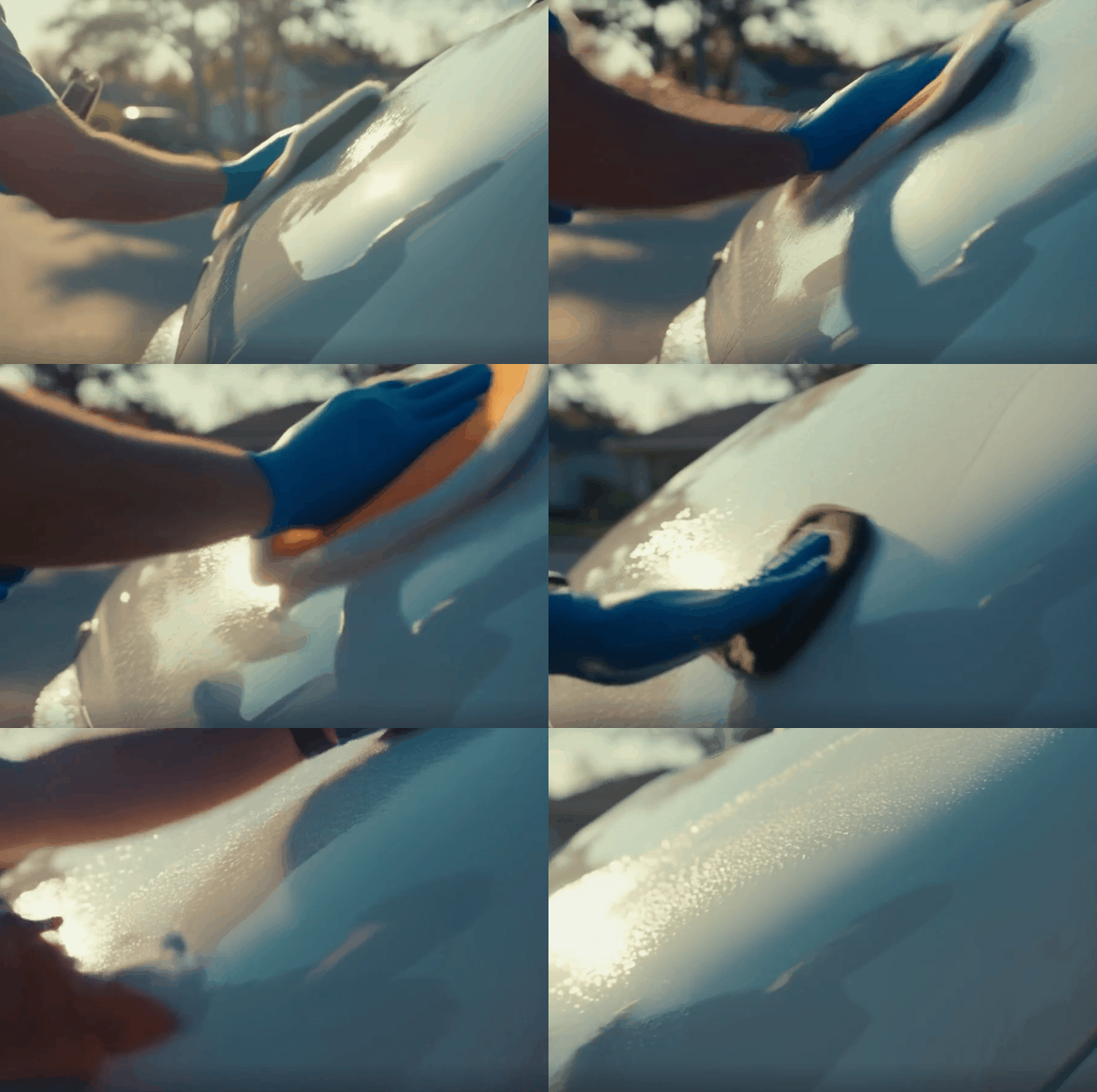
When people ask us how often they should book a detail, we do not give the same answer to everyone. We base it on how the vehicle is used, where it is parked, and how much coastal exposure it gets.
Every 4 to 6 weeks for daily drivers and outdoor-parked vehicles
This is the schedule we most often recommend for:
- daily drivers
- vehicles parked outside
- cars kept close to the coast
- family SUVs
- work vehicles
- beach-trip vehicles
If you drive every day in Wilmington, your vehicle is constantly collecting grime, salt residue, sand, and interior mess. In those cases, every 4 to 6 weeks is usually the sweet spot.
Every 6 to 8 weeks for moderately used vehicles
This works well for:
- vehicles driven a few times a week
- cars that are sometimes garaged
- owners who keep up with regular washes between details
For many customers, this is a practical middle ground. It keeps the car protected without letting contamination build up too long.
Every 3 to 4 months for lightly used or mostly garaged cars
If your vehicle is not driven much and stays protected most of the time, you may be able to stretch the schedule a bit. Even then, we still recommend regular service because coastal exposure does not completely stop just because a car is used less often.
Every 1 to 2 weeks for maintenance washes
Between full details, we always recommend basic maintenance washes. This helps remove:
- salt residue
- pollen
- sand and debris buildup
- bird droppings
- sap
- everyday coastal grime
If you want a better sense of what happens during a service visit, our guide on what to expect during a mobile detailing appointment is a helpful place to start.
What Happens When You Wait Too Long Between Details
We have seen plenty of vehicles that were not neglected on purpose. Life gets busy. The car still runs fine. It may not even look that bad at first glance. But in a coastal climate, problems can start building before most owners notice them.
Exterior issues start small
When detailing is delayed too long, we often see:
- rough-feeling paint
- water spots
- faded trim
- bonded contamination
- dullness and early oxidation
- buildup around emblems, door jambs, and lower panels
This is one reason exterior car detailing coastal NC drivers schedule consistently tends to be far more effective than occasional deep cleaning.
The undercarriage often gets overlooked
One of the easiest areas to forget is underneath the vehicle. Salt, moisture, and road grime can collect where most owners do not look. That is why undercarriage cleaning matters so much in a coastal environment. For us, this is not an extra talking point. It is part of helping customers think long term.
Interior damage builds faster than people expect
Beach gear, wet shoes, sunscreen, food crumbs, pet hair, and sand can do a number on a vehicle’s interior. We often remind customers that interior car detailing Wilmington NC drivers book regularly is about more than appearance. It helps with comfort, odor control, and preserving materials over time.
How Often Should Daily Drivers in Wilmington Get a Full Detail?
For daily drivers, we usually recommend a full detail every 4 to 6 weeks.
That is our honest answer because daily use creates a steady stream of wear. Commuting, parking outside, running errands, school pickup, and weekend trips all add to the vehicle’s exposure. If you are driving often and your car lives outdoors, that shorter interval usually gives the best balance of cleanliness, protection, and manageable upkeep.
For more insight into the specific challenges local vehicles face, our post on coastal vehicle care in Wilmington goes deeper into how beachside conditions affect long-term maintenance.
The Routine We Recommend for Long-Term Protection

When customers ask us for a realistic maintenance plan, we usually suggest a layered routine that keeps the vehicle protected year-round.
Every 1 to 2 weeks: maintenance wash
This helps remove fresh contaminants before they settle in. It is one of the simplest ways to reduce long-term wear in a coastal climate.
Every 4 to 8 weeks: full professional detail
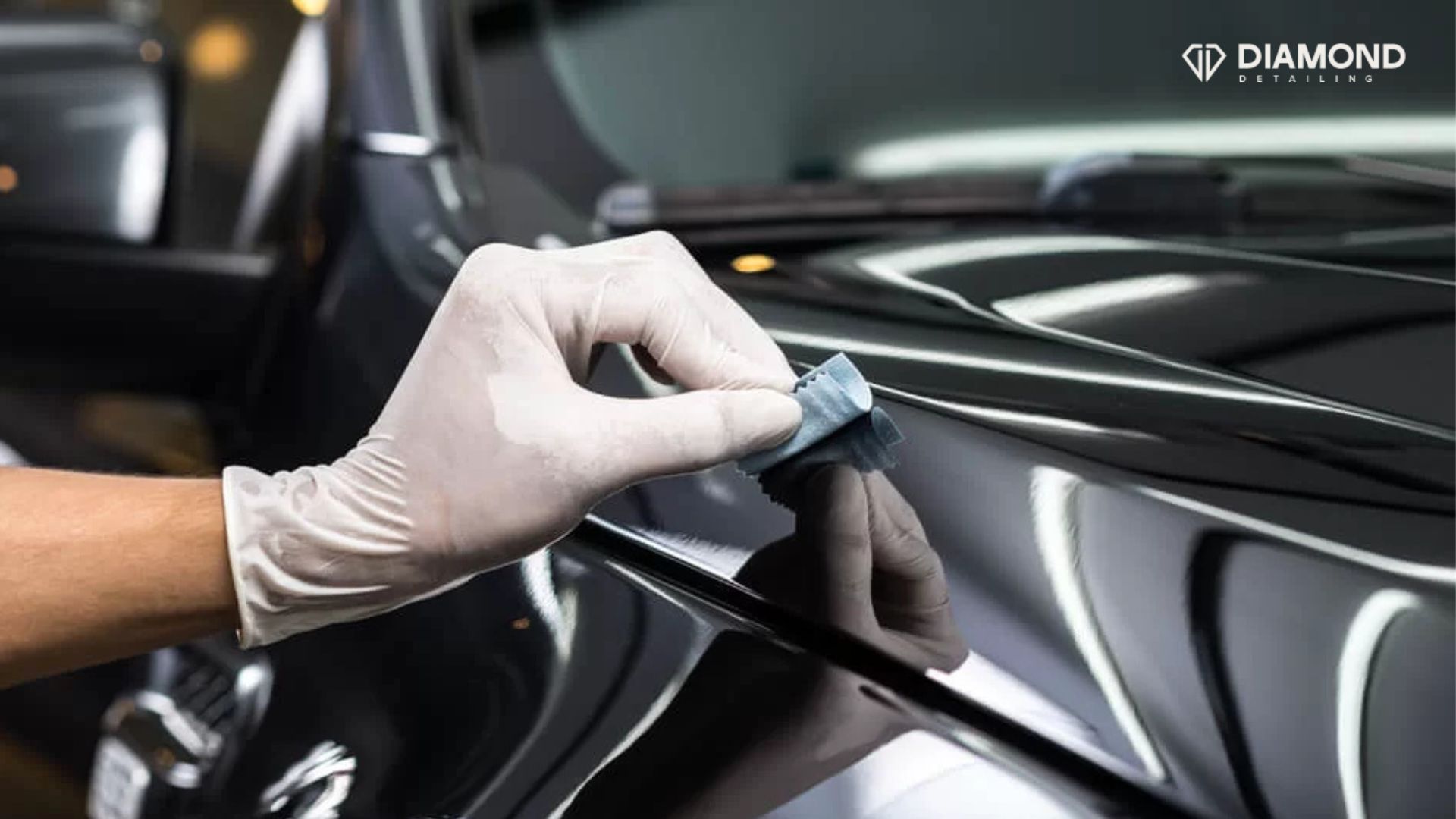
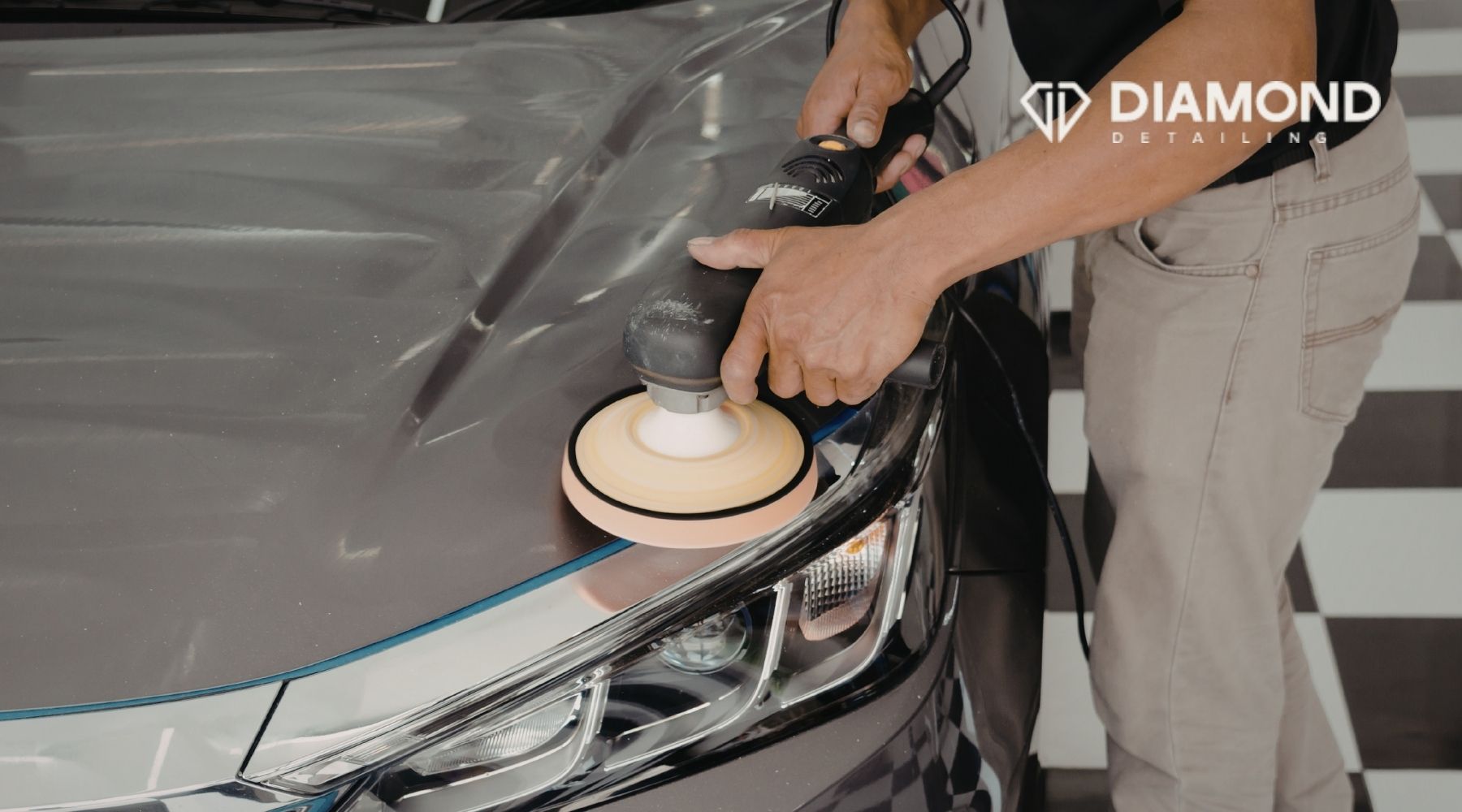
A full detail should include proper exterior cleaning, wheel and tire care, interior vacuuming, surface cleaning, and a protection step that helps the finish hold up better between appointments.
Our professional auto detailing services are designed around exactly that kind of practical, protection-focused upkeep.
Every 3 to 6 months: protection refresh
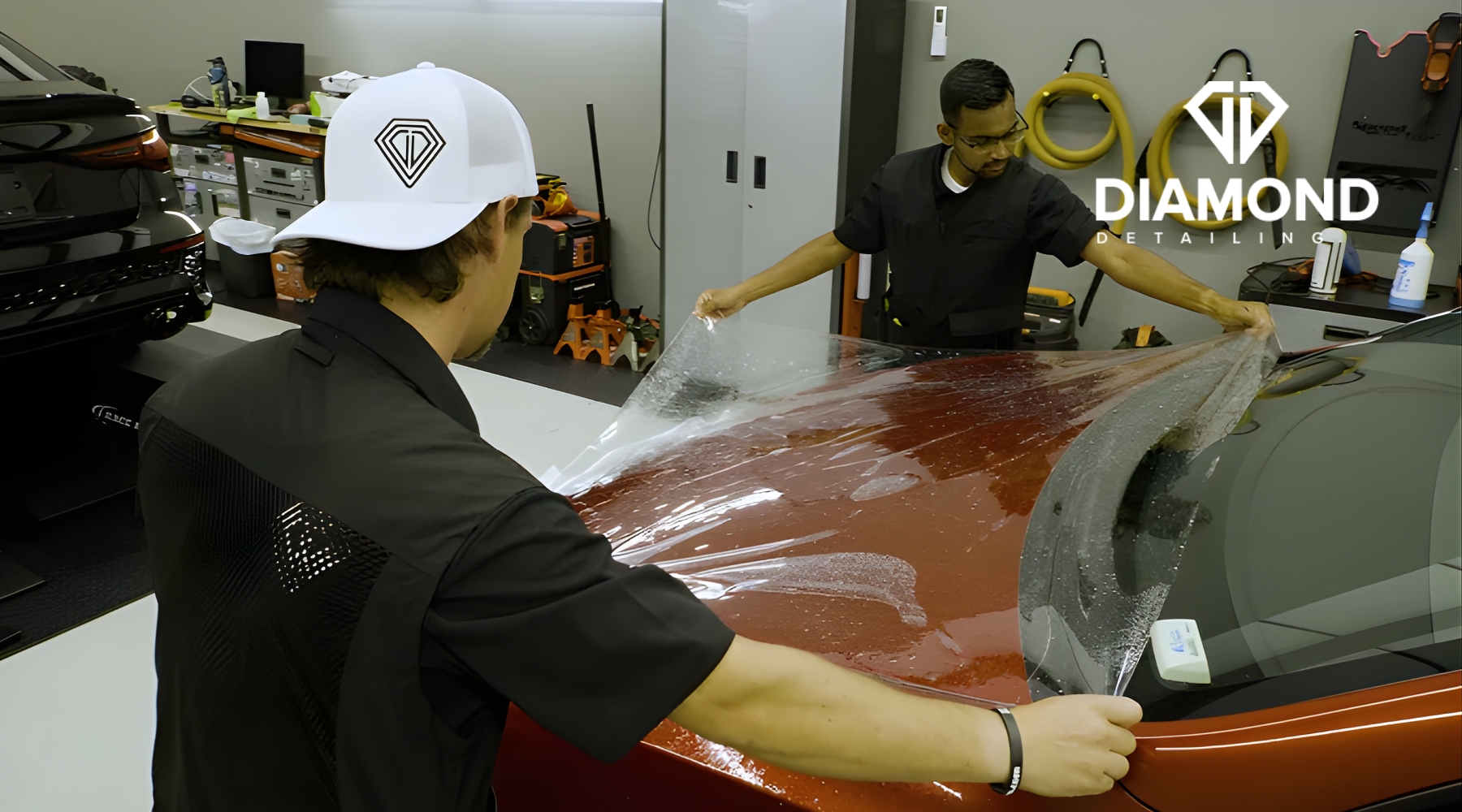
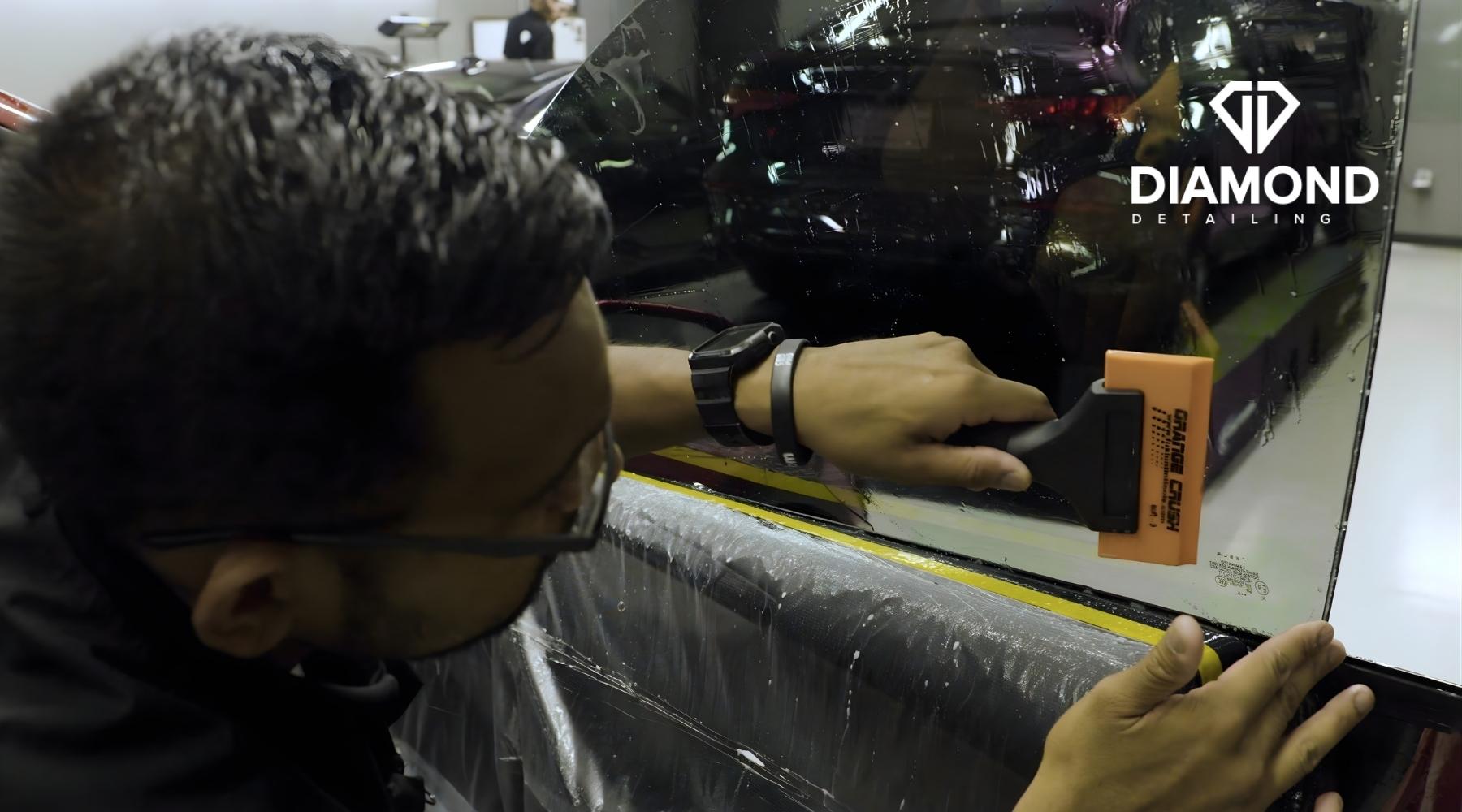
For many vehicles, this is the right time to refresh waxes, sealants, or check on coating performance. If you want stronger long-term defense against the coastal environment, protection services can make a noticeable difference.
Your Vehicle Deserves Better
Does Ceramic Coating Reduce How Often You Need Detailing?
It helps, but it does not replace detailing.
We explain this often because some vehicle owners assume a ceramic coating means they can stop thinking about maintenance. In reality, coating protection makes upkeep easier, improves water behavior, and supports better paint protection, but your car still collects salt, pollen, sand, and road film.
That is why ceramic coating maintenance still matters. A coated vehicle usually stays easier to clean, but it still benefits from a regular schedule. The goal is to protect both the vehicle and the coating itself.
Why We Believe Mobile Detailing Works So Well for Coastal Drivers
One of the biggest reasons people fall behind on car care is convenience. It is easy to delay a shop visit when your week is packed. That is why so many Wilmington drivers appreciate mobile service. It gives them a practical way to keep up with maintenance without rearranging their whole day.
If you are still weighing the value, our article on whether mobile detailing is worth it for your schedule and budget breaks down the convenience, results, and long-term benefits.
From our point of view, professional mobile detailing North Carolina drivers rely on work best when it becomes part of a routine, not a last resort after buildup gets out of hand.
Final Thoughts
If there is one thing we have learned, it is that coastal driving changes the rules. The combination of salt, humidity, heat, sand, and daily use means you usually cannot wait as long between details as you could in other areas.
That is why we recommend mobile car detailing coastal North Carolina drivers can count on every 4 to 8 weeks, with every 4 to 6 weeks being the better fit for daily drivers and beach-exposed vehicles. Staying ahead of contamination is easier, more affordable, and better for your vehicle than trying to undo months of buildup later.
If you are ready to create a smarter maintenance routine for your vehicle, Diamond Detailing NC is here to help, and you can Contact Us .