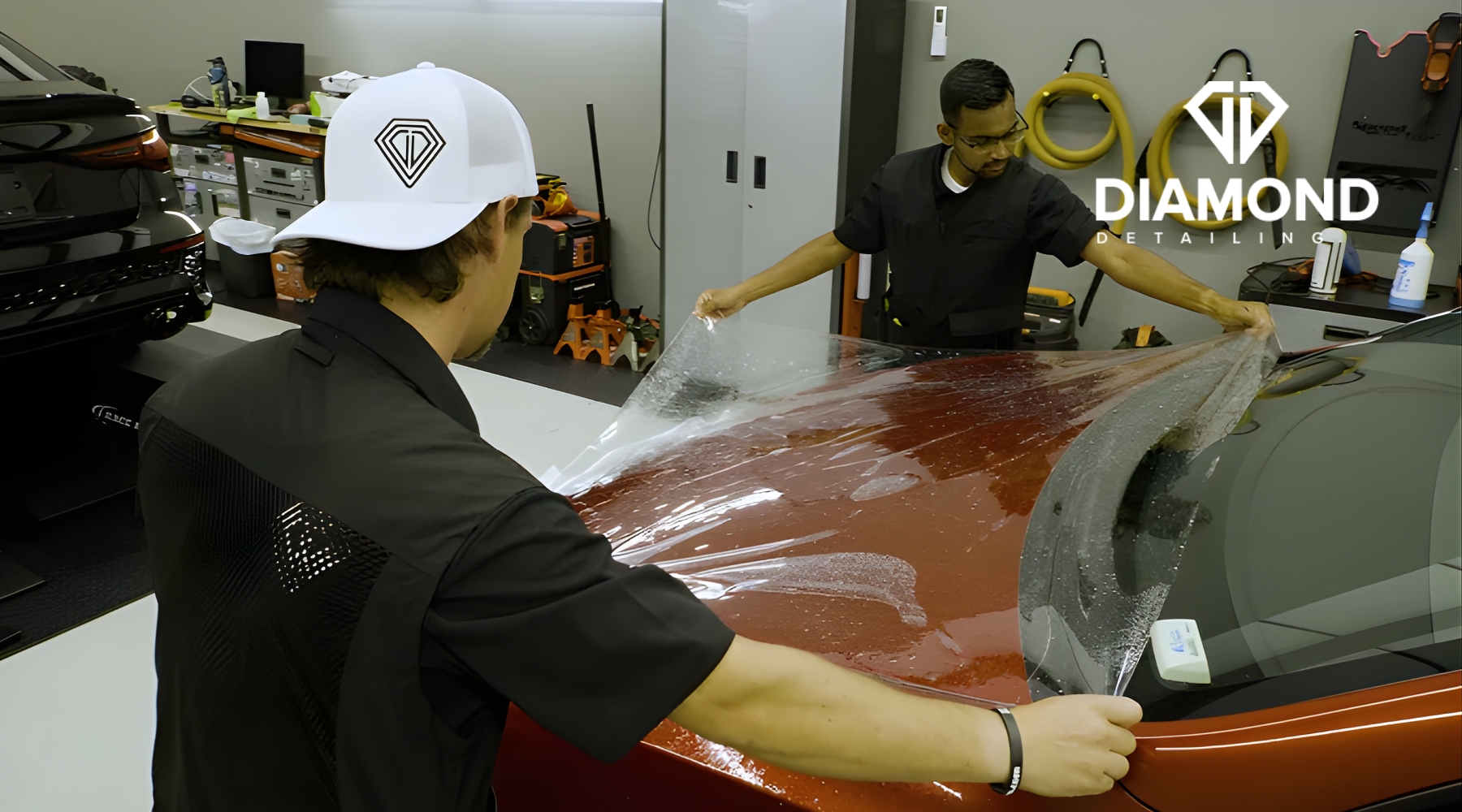
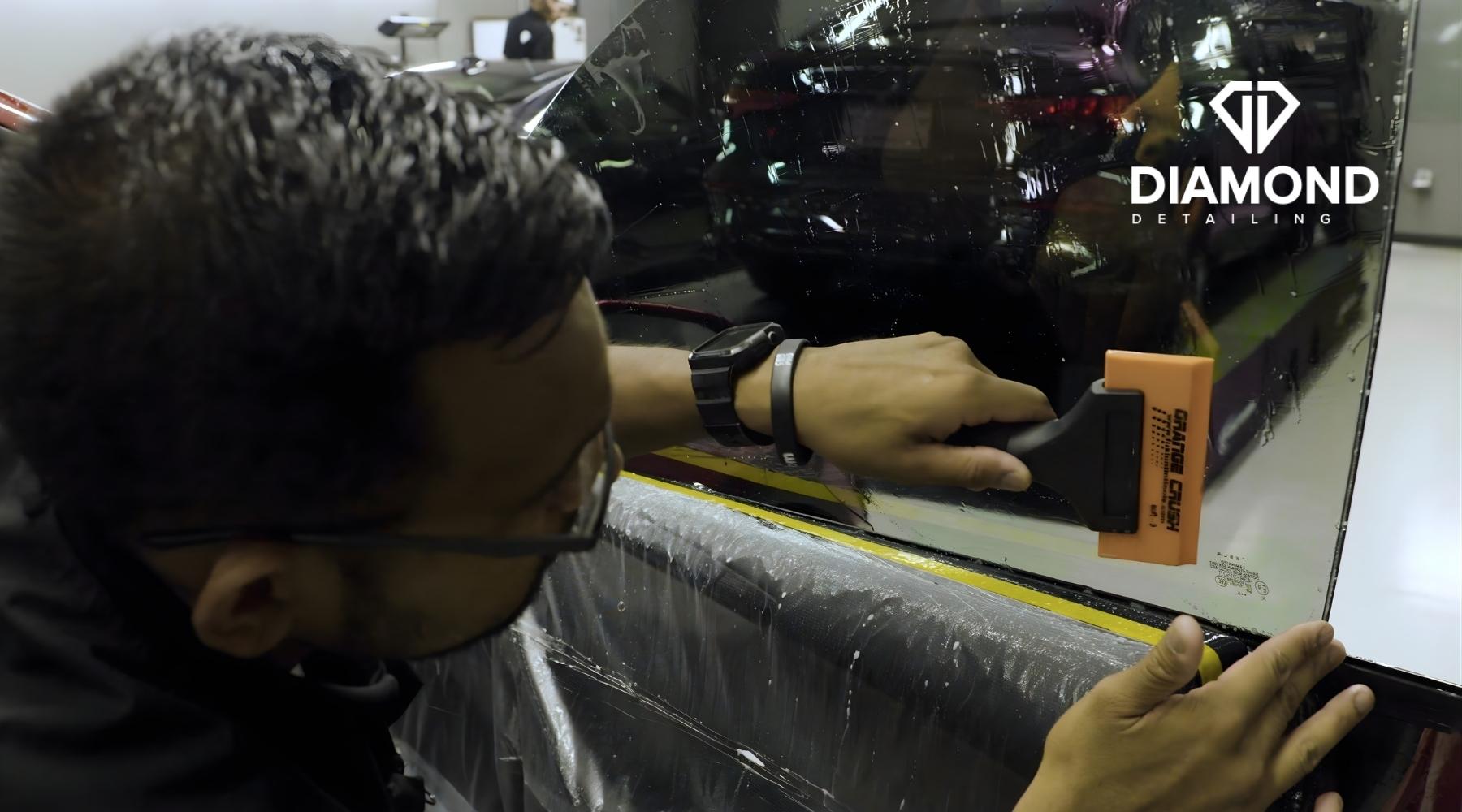
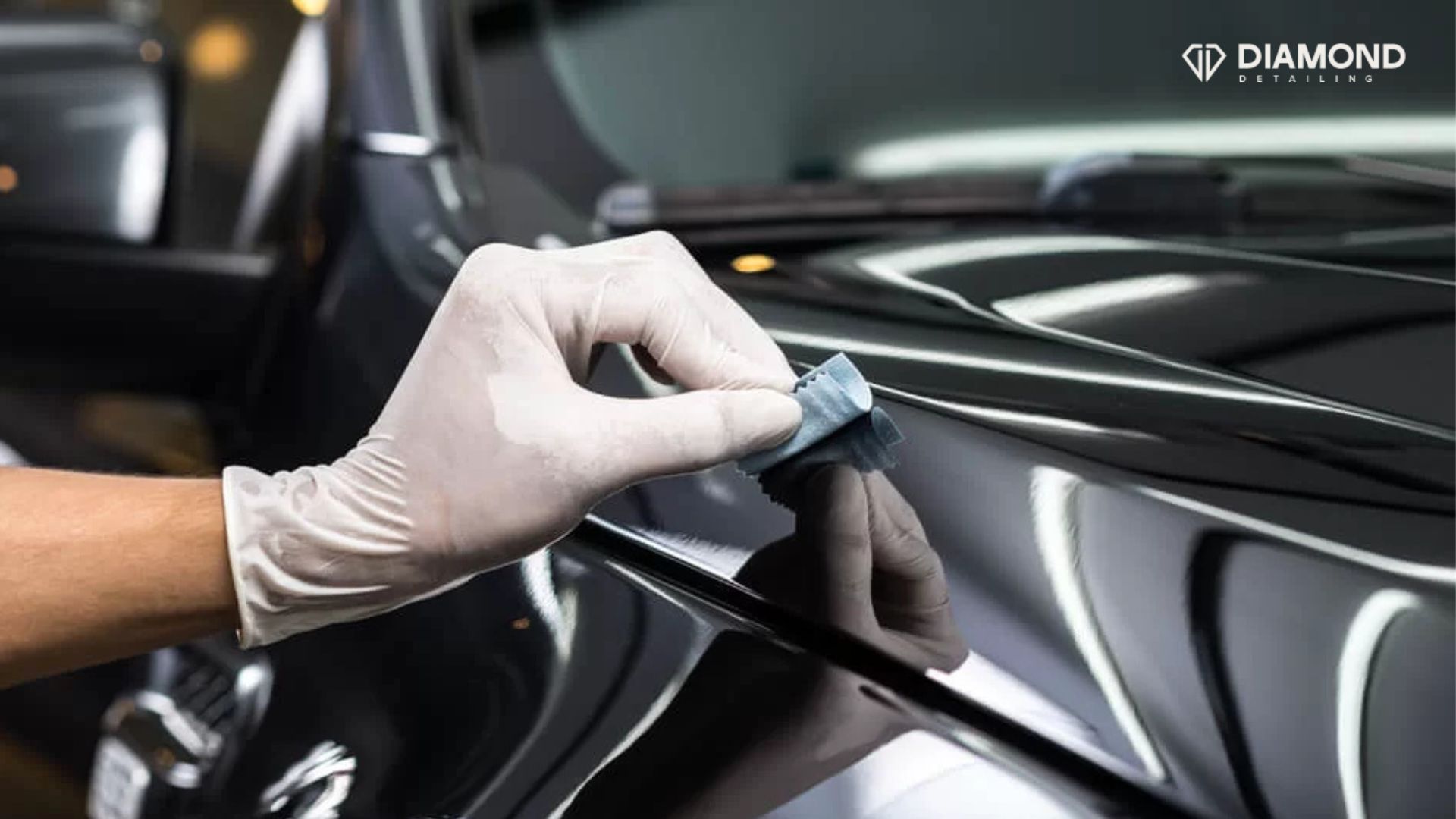
When people hear the term ceramic coating, it often sounds more complicated or technical than it really is. In simple terms, ceramic coating is a protective layer applied to your vehicle’s exterior that helps preserve paint quality over time. It is not about chasing a showroom look every weekend. It is about making your vehicle easier to live with day after day.
This guide is not meant to sell you something you do not need. Our goal is to explain what ceramic coating actually does, how it fits into real vehicle ownership, and why drivers around Wilmington and Iredell County often consider it as part of long-term care rather than a cosmetic upgrade.
Living and driving in this area comes with specific challenges. Many vehicles are daily drivers, parked in driveways or outdoor lots, exposed to North Carolina sun, pollen seasons that feel endless, and the kind of road dust that slowly builds up without you noticing. Add regular commuting, errands around town, and weekend drives, and paint wear becomes part of normal ownership.
We approach ceramic coating from experience, both installing it and using it on our own vehicles. We see it as a practical tool, not a luxury product. When used for the right reasons and applied correctly, ceramic coating helps vehicles age more gracefully in real-world conditions, especially in places like Wilmington, where weather and environment are constant factors.
What Ceramic Coating Actually Is (And What It Is Not)
Ceramic coating is a liquid polymer that chemically bonds to your vehicle’s clear coat. Once cured, it creates a durable, protective surface that sits on top of the factory paint. This bond is what separates ceramic coating from traditional waxes or paint sealants.
To keep expectations realistic, it helps to understand what ceramic coating is not.
- It is not a permanent layer that lasts forever
- It does not make your car immune to scratches or rock chips
- It does not replace proper washing habits
What it does offer is long-term surface protection that holds up better than conventional products. Waxes and sealants sit on the surface and gradually wash away. Ceramic coating bonds to the paint, which allows it to last significantly longer and perform more consistently.
Because it bonds directly to the clear coat, ceramic coating helps protect against things Wilmington drivers deal with regularly, such as UV exposure, pollen residue, light chemical contamination, and environmental fallout. Over time, this bonding helps maintain paint clarity and makes routine cleaning easier.
One common misconception is that ceramic coating is purely about shine. While gloss is a visible benefit, the real value lies in durability and protection. A well-applied ceramic coating supports the health of your paint, not just how it looks on day one.
How Ceramic Coating Application Works From a Professional Standpoint
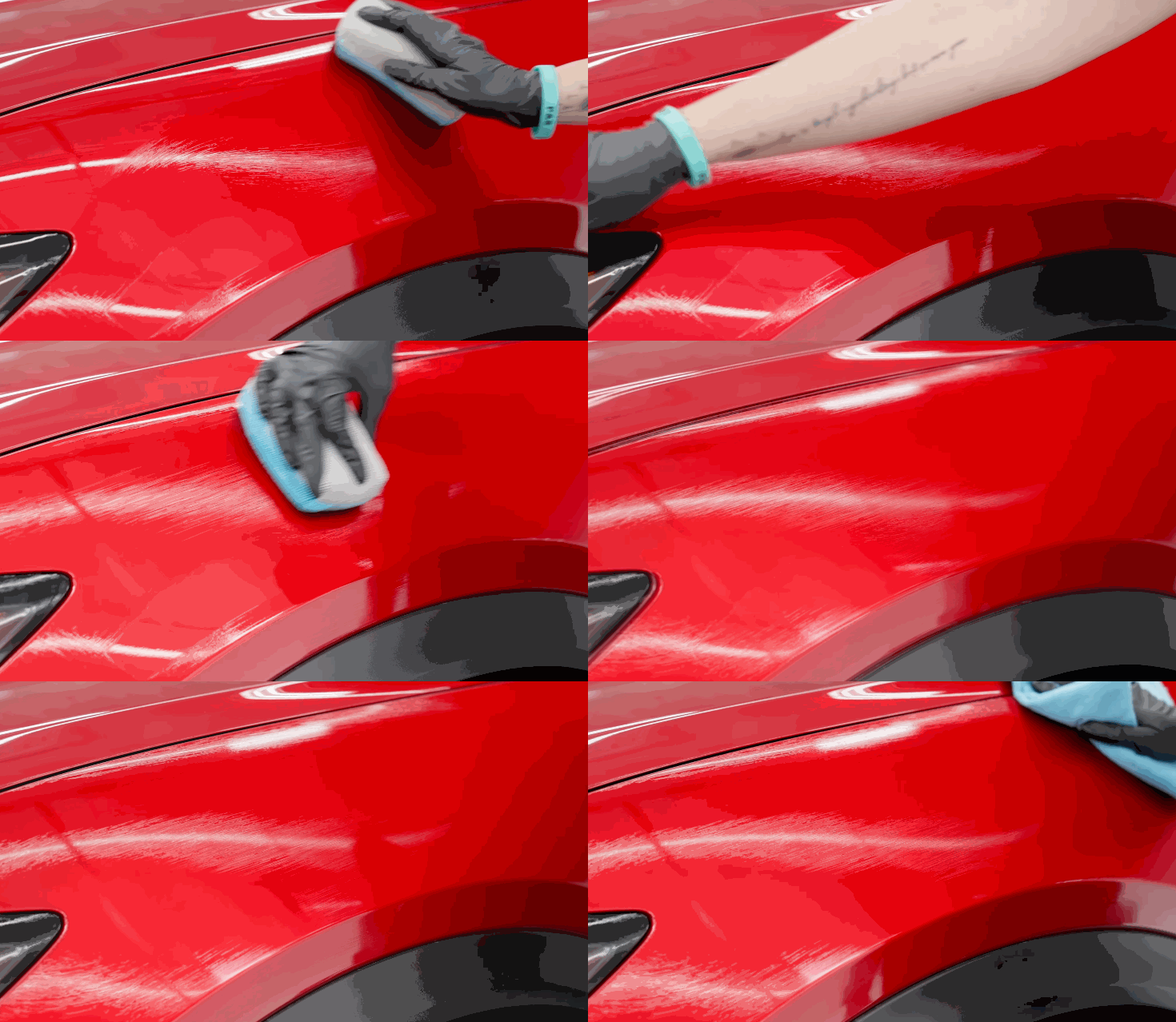
A proper ceramic coating application is a process, not a single step. The coating itself is only part of the equation. The preparation before it ever touches the paint is what determines how well it performs long term.
From a professional standpoint, the process generally includes:
- Thorough exterior wash and decontamination
- Paint inspection under proper lighting
- Necessary paint correction to address defects
- Controlled application of the ceramic coating
- Proper curing time based on product and environment
Surface preparation matters because ceramic coating bonds to whatever condition the paint is in at the time of application. If contamination or defects are left behind, the coating will lock them in rather than fix them.
Environment and technique also play a role. Temperature, humidity, lighting, and application timing all affect how the coating levels and cures. This is why experience matters. Ceramic coating application is not about rushing through steps. It is about consistency, control, and knowing how the product behaves in real conditions.
Professional application helps ensure the coating performs evenly across the vehicle, delivers consistent protection, and avoids common issues like high spots or uneven curing that can reduce long-term effectiveness.
Why Ceramic Coating Makes Sense for Vehicles in Wilmington, NC
Wilmington’s environment plays a bigger role in paint wear than many drivers realize. Extended sun exposure during warmer months, heavy pollen seasons in spring, and regular outdoor parking all contribute to gradual surface degradation.
Many vehicles in the area are parked in driveways or uncovered lots, even if they are occasionally garage-kept. That mixed exposure means paint is constantly cycling through sun, moisture, and environmental debris. Road dust, tree sap, and airborne contaminants slowly build up, especially on horizontal surfaces like hoods and roofs.
Ceramic coating helps manage these conditions by creating a surface that resists bonding from contaminants and makes washing more efficient. Instead of scrubbing and aggressive cleaning, routine maintenance becomes more straightforward, which helps preserve the clear coat over time.
At Diamond Detailing, we see ceramic coating as a practical solution for drivers who want their vehicles to hold up better to everyday use in this area. It is not about perfection. It is about protection that fits how people actually drive, park, and maintain their cars in Wilmington and the surrounding communities.
Real-World Benefits Wilmington Drivers Actually Notice Over Time
One of the first things drivers notice after ceramic coating is not how the car looks in the driveway, but how it behaves during regular use. From our experience, the biggest day-to-day benefit is easier maintenance. Dirt, pollen, and road film do not cling to the surface as aggressively, which means washing takes less effort and less time. This is especially noticeable during Wilmington’s heavy pollen seasons, when vehicles can look dusty again within hours.
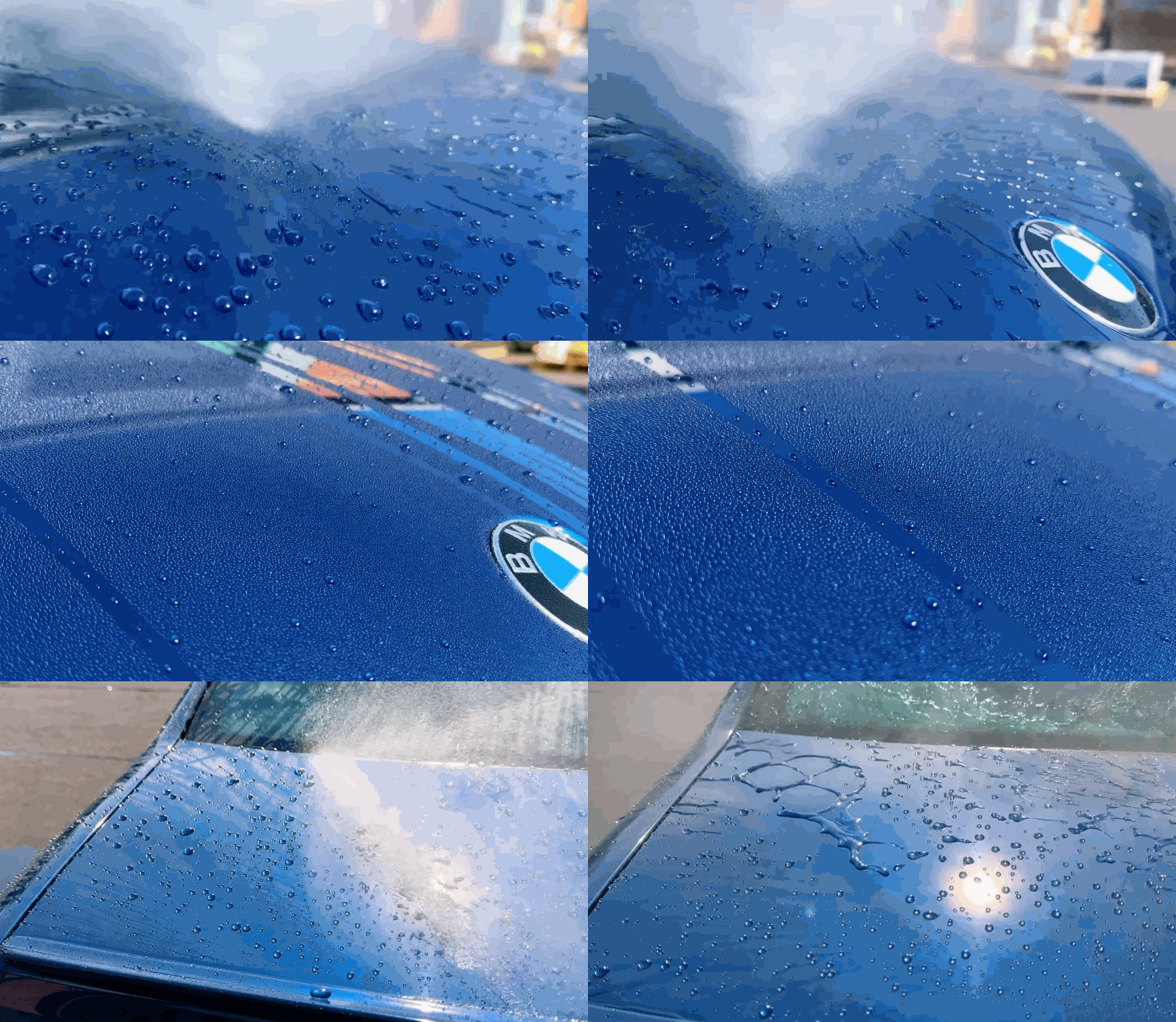
Gloss retention is another benefit that becomes more apparent over time. Instead of fading after a few weeks like traditional wax, ceramic coating helps maintain a consistent finish. The surface stays slick, which allows water to sheet off more easily during rain and rinsing. That slickness is not about shine for show. It supports cleaner paint with less friction during washes, which helps preserve the clear coat long term.
What matters most to many drivers is not how the vehicle looks right after application, but how it holds up months and years later. Ceramic coating supports long-term paint condition by reducing the gradual wear caused by sun exposure, environmental fallout, and frequent cleaning. The value shows up in fewer stubborn contaminants, less need for aggressive scrubbing, and paint that ages more evenly.
From an ownership standpoint, these benefits feel more like conveniences than cosmetic upgrades. Less time washing, more consistent appearance, and fewer concerns about environmental damage add up to a better experience living with your vehicle, especially when it is driven daily around Wilmington, and Iredell County.
When Ceramic Coating Is a Smart Choice (And When It Might Not Be)
Ceramic coating works best when it matches how a vehicle is actually used. We always encourage an honest evaluation of driving habits and storage conditions before moving forward. Daily drivers that spend time parked outdoors, commute regularly, or see frequent exposure to sun and debris often benefit the most.
That said, ceramic coating is not a one-size-fits-all solution. Factors such as vehicle age, current paint condition, and ownership plans matter. A newer vehicle with well-maintained paint may be an ideal candidate for long-term protection. Older vehicles can still benefit, but expectations should be realistic and based on the existing condition of the paint.
Ownership plans also play a role. Drivers who plan to keep their vehicle for several years often see ceramic coating as a worthwhile investment. Those planning to sell or trade in soon may choose a different approach. The key is aligning the protection method with your goals rather than applying it by default.
At Diamond Detailing, we approach ceramic coating as an advisory decision. Our focus is helping drivers choose what makes sense for their situation, not pushing a universal recommendation. That balance builds trust and leads to better long-term results.
Conclusion: Long-Term Paint Protection That Fits Wilmington Driving Life
Ceramic coating is best viewed as a long-term ownership decision rather than a quick upgrade. When applied correctly, it supports paint health by reducing environmental stress, simplifying maintenance, and helping vehicles age more evenly.
Proper ceramic coating application matters because it determines how well the coating performs over time. Preparation, technique, and experience all influence durability and consistency, especially in Wilmington’s mix of sun exposure, pollen, and everyday driving.
From our perspective, ceramic coating is a tool we rely on personally because it fits how vehicles are actually used here. It is not about perfection. It is about practical protection that makes daily ownership easier and more predictable.
If you are considering ceramic coating and want guidance based on real experience, the team at Diamond Detailing is always available to help you decide what makes sense for your vehicle and your driving life in Wilmington.